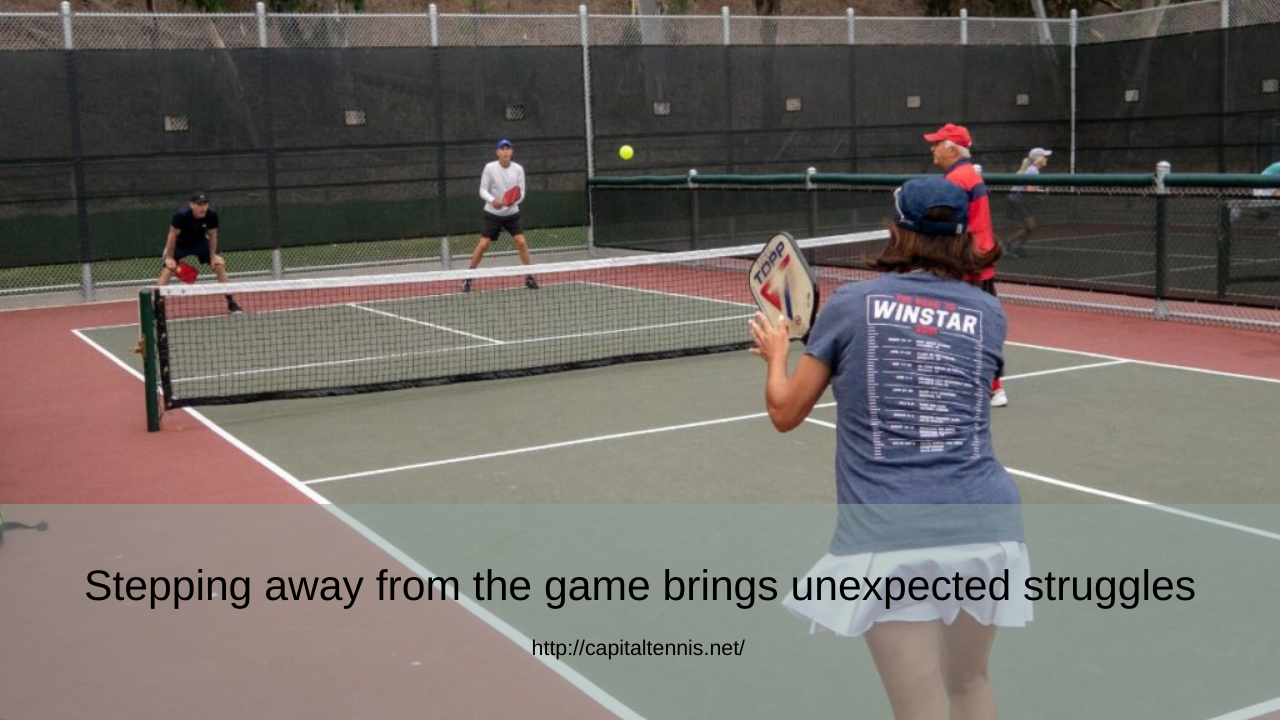
Retirement from sports is often painted as a time of celebration, but for many athletes, stepping away from the game brings unexpected struggles. Years of training, competition, and recognition shape more than a career. They shape identity. When the structure and spotlight of athletics fade, it can leave behind feelings of emptiness, depression, or even a turn toward unhealthy coping strategies. Rebuilding life after sports is not only possible but also deeply rewarding with the right support for mental health and recovery.
Understanding Identity Loss After Athletics
Athletes dedicate much of their lives to their sport, often starting at a young age. The routines, goals, and pressures become part of daily life. Once retirement begins, the sudden shift can feel disorienting. Without the familiar role of “athlete,” many face questions like: Who am I now? What is my purpose? This loss of identity can contribute to mental health challenges such as anxiety, depression, or substance use.
Recognizing that these struggles are normal is important. With compassionate counseling and holistic support, athletes can move through the pain of identity loss and begin building a fulfilling new chapter.
The Role of Professional Counseling in Recovery
Reframing Self-Worth Beyond Performance
Counseling helps retired athletes redefine success outside of wins and losses. By exploring personal values, talents, and passions, individuals can reconnect with parts of themselves that extend beyond the court. This process creates a stronger sense of identity that is not tied to athletic achievement.
Managing Mental Health Challenges
The transition out of sports can trigger mental health concerns that require professional care. Depression, anxiety, and substance misuse are common during this time. With evidence-based therapy and individualized treatment, athletes learn healthier ways to cope with emotional pain and build resilience for the future.
Creating Structure for Daily Life
Athletes are accustomed to rigorous schedules. When that disappears, counseling can help develop new routines that provide balance, stability, and purpose. Whether it is through continuing education, pursuing new careers, or strengthening relationships, structure is a key factor in healing.
Holistic and Faith-Based Approaches to Healing
Recovery is not one-size-fits-all. At Capital Tennis, treatment integrates holistic and faith-based care that addresses the mind, body, and spirit. Mindfulness, physical wellness, and spiritual guidance work together to support a deeper sense of peace and direction. For athletes who are used to discipline and training, these approaches often feel familiar and empowering.
Inpatient and Outpatient Support Options
Every recovery journey is unique. Some athletes may need the stability of inpatient care to address serious struggles like addiction or severe depression. Others may benefit from outpatient counseling, which provides flexibility while still offering consistent guidance and support. Both paths emphasize personalized care, ensuring that each individual receives the help they truly need.
Building Purpose Beyond the Game
Leaving sports does not mean leaving behind a meaningful life. With the right support, athletes can discover new passions, strengthen relationships, and create a future that feels authentic and fulfilling. Counseling and recovery services provide the tools to move forward with clarity and confidence.
Taking the First Step Toward Healing
The end of an athletic career is not the end of purpose. It is an opportunity to rediscover identity, build resilience, and embrace life beyond the game. If you or someone you love is struggling with the transition out of sports, help is available. At Capital Tennis, compassionate professionals are ready to walk alongside you with individualized care, holistic healing, and unwavering support. Reach out today and begin the journey toward becoming whole again.