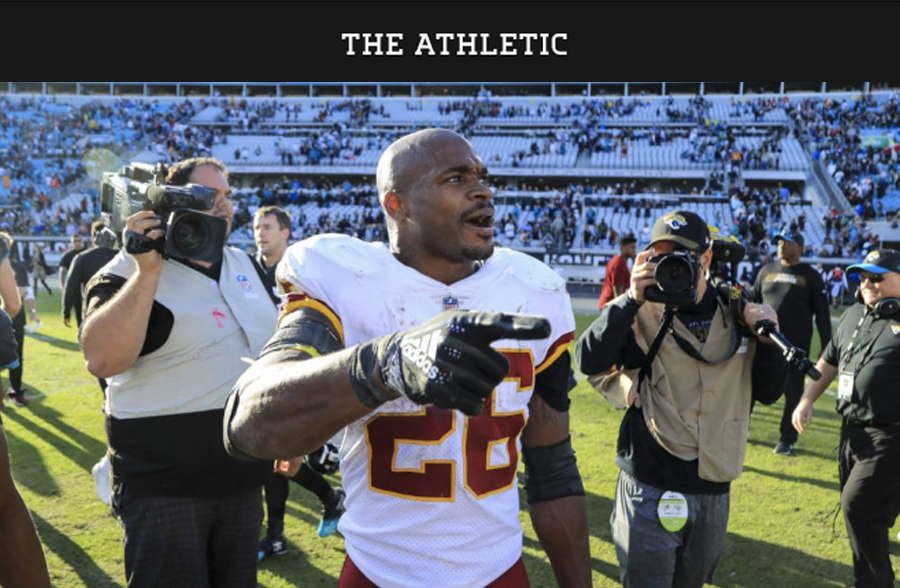
For many professional athletes, retirement marks not just the end of a career but the loss of a deeply ingrained identity. From early childhood, their lives have often been defined by training, competition, and the pursuit of excellence. When the roar of the crowd fades and the daily routines of athletic life come to a halt, many retired athletes find themselves grappling with a profound sense of identity loss and uncertainty about the future.
The Emotional Impact of Retirement
Retirement from professional sports can trigger a complex range of emotions, including sadness, anxiety, confusion, and even depression. Athletes often dedicate the majority of their formative years to their sport, and their self-worth becomes tightly intertwined with performance and public recognition. When the structure and purpose provided by athletic life vanish, it’s not uncommon for athletes to feel directionless.
This transition is particularly challenging when retirement is unplanned or forced by injury. The abrupt end to a career can leave athletes feeling powerless and grieving the sudden loss of their professional identity. Even planned retirements can lead to an emotional void that is difficult to fill.
Identity Beyond the Jersey
One of the most significant challenges retired athletes face is redefining themselves outside the world of sports. Questions like “Who am I without my sport?” or “What’s next for me?” can be overwhelming. Without the constant reinforcement of their athletic achievements, many struggle to find a new sense of value and purpose.
The public nature of athletic careers can compound this struggle. When fans, media, and even friends continue to associate them only with their past successes, it can be difficult for athletes to break free from that limited identity and explore other aspects of themselves.
Coping Strategies for a Healthier Transition
- Planning Ahead
Athletes who begin planning for retirement during their careers often experience a smoother transition. Exploring education, alternative careers, and personal interests early on can help create a roadmap for post-athletic life. - Seeking Professional Guidance
Working with mental health professionals, career counselors, or transition coaches can provide essential support. These experts help athletes process emotions, build new goals, and navigate the practical aspects of retirement. - Reconnecting with Passions
Retirement offers a chance to rediscover hobbies and passions that may have been sidelined during competitive years. Whether it’s coaching, writing, entrepreneurship, or volunteering, engaging in meaningful activities helps rebuild identity and purpose. - Building New Routines
Establishing daily routines that include exercise, social interaction, and skill-building can recreate the structure once provided by sports. Routine fosters stability and helps combat feelings of aimlessness. - Community and Peer Support
Connecting with fellow retired athletes can offer a sense of belonging and shared understanding. Peer networks provide emotional support and practical advice during the transition.
A New Chapter of Fulfillment
Retirement from sports doesn’t mean the end of success—it marks the beginning of a new chapter. With the right support and a proactive mindset, retired athletes can rediscover themselves, develop new passions, and build meaningful lives beyond the playing field. Embracing the journey of reinvention allows them to thrive in ways they never imagined, even after the final whistle blows.