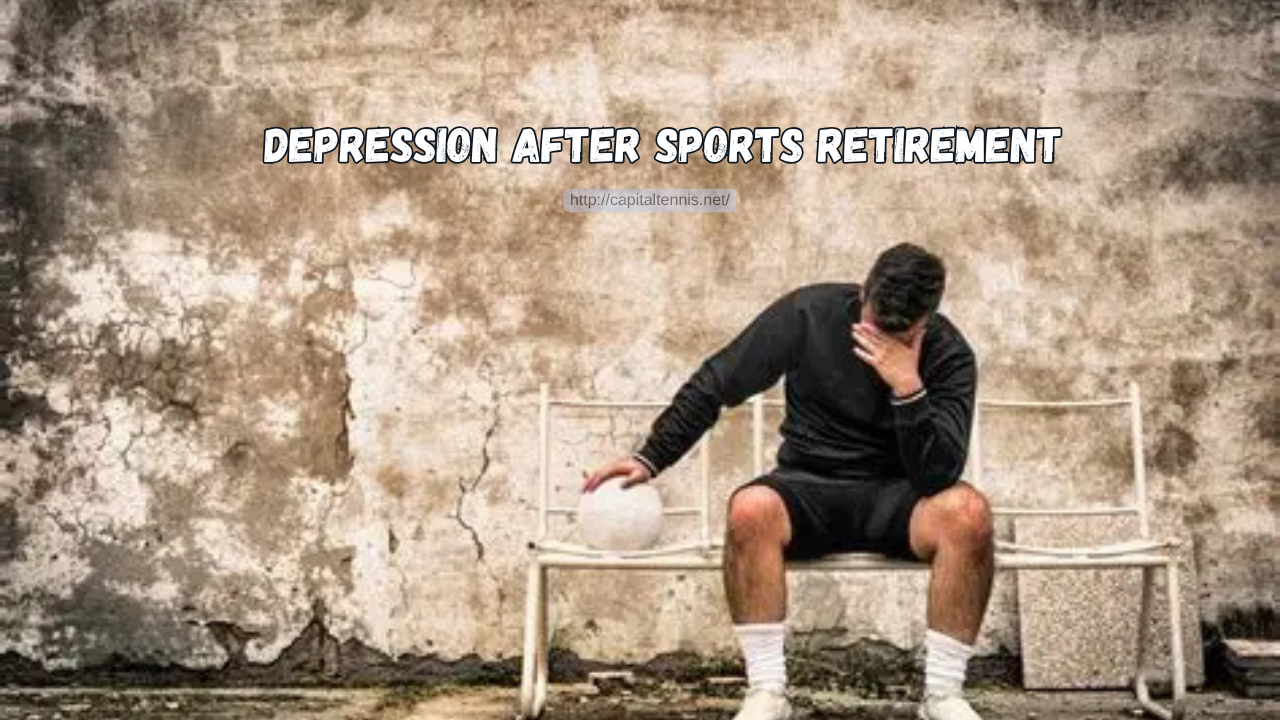
For many athletes, retirement from professional sports is not just the end of a career. It is the closing of a deeply personal chapter that has shaped their identity, purpose, and daily life. The applause fades, the routines disappear, and suddenly the structure that once provided stability is gone. This transition can leave athletes facing depression, anxiety, and feelings of emptiness. But while the end of a career can be painful, it is not the end of life. With the right professional help, emotional recovery and a renewed sense of meaning are possible.
Understanding Post-Retirement Depression
The Emotional Void After the Final Game
When an athlete retires, they often lose more than their title or role. They lose the sense of belonging, competition, and recognition that once fueled them. This loss can create a profound emotional void. Without a clear purpose or new direction, many former athletes experience symptoms of depression, such as sadness, irritability, insomnia, and loss of motivation.
Identity and Self-Worth Challenges
Athletic identity runs deep. Years of training and competition create a self-image centered around performance. When that is gone, self-worth can suffer. Many athletes struggle to answer questions like: Who am I without my sport? What do I do next? These uncertainties can lead to a mental health crisis if left unaddressed.
Professional Support for Emotional Recovery
At Capital Tennis, we believe recovery after sports retirement is about rebuilding life with purpose, balance, and self-compassion. Our professional team offers personalized mental health treatment, addiction recovery services, and holistic programs to help former athletes heal emotionally and rediscover their sense of self.
Mental Health Counseling
Therapy provides a safe space to process grief, adjust expectations, and explore new sources of fulfillment. Our counselors use evidence-based approaches like cognitive-behavioral therapy and mindfulness-based strategies to help clients manage depressive thoughts, regulate emotions, and develop positive coping skills.
Addiction and Substance Use Support
For some athletes, the stress of retirement or untreated depression can lead to substance use as a form of self-medication. Capital Tennis offers both inpatient and outpatient recovery programs designed to address the underlying emotional pain driving addiction. Through compassionate care and structured treatment, clients can achieve long-term recovery and mental wellness.
Holistic and Faith-Based Healing
We recognize that true recovery involves mind, body, and spirit. Our holistic therapies include physical wellness, mindfulness practices, and spiritual guidance for those who wish to include faith in their healing process. These methods empower clients to rebuild emotional strength and find renewed purpose beyond their athletic careers.
Building a New Life Beyond Sports
While the athletic chapter of life may close, new opportunities await. Many former athletes find purpose through mentoring, education, advocacy, or creative outlets. Counseling helps identify these new directions, encouraging growth and meaning outside of sports. The goal is not to replace the athlete identity but to expand it into something greater.
A New Beginning Starts with Support
Retiring from sports can trigger emotional pain, but it does not have to define the future. Depression after athletic retirement is treatable with the right guidance, therapy, and care. At Capital Tennis, our compassionate professionals specialize in helping athletes navigate this critical life transition through individualized, holistic support. If you or someone you know is struggling after retirement, reach out today. Healing is possible, and a meaningful life beyond sports is waiting.