Archive of ‘Uncategorized’ category

Whole Again: Faith-Based and Holistic Approaches to Athlete Identity Renewal

For many athletes, identity is shaped early and reinforced daily through training, competition, and performance. Success becomes deeply intertwined with self-worth, while structure, discipline, and external validation guide everyday life. When an athletic career ends, whether by choice or circumstance, many former athletes are left feeling lost, disconnected, and unsure of who they are without their sport. At Capital Tennis, we recognize that this identity shift can impact mental health, emotional stability, and even increase the risk of substance use. Healing requires more than symptom management. It calls for a whole-person approach rooted in compassion, faith, and individualized care.

The Hidden Impact of Athletic Identity Loss

When Performance Becomes Identity

Athletes often spend years defining themselves by their achievements. Retirement can bring a profound sense of grief, similar to losing a part of oneself. Without the familiar routine and purpose, feelings of anxiety, depression, and isolation may surface. Some individuals struggle with self-doubt or feel pressure to maintain a strong image, even while experiencing emotional pain internally.

The Link Between Identity Loss and Addiction

For some former athletes, the emotional void left after sports can lead to unhealthy coping strategies. Alcohol, prescription medications, or other substances may feel like temporary relief from emotional distress. Without addressing the root causes, these patterns can evolve into addiction. Capital Tennis approaches this connection with empathy, offering integrated mental health and addiction recovery services that address both emotional and behavioral needs.

Faith-Based Healing for Identity Renewal

Rediscovering Purpose Through Faith

Faith-based care offers a powerful foundation for healing identity loss. By reconnecting individuals with their spiritual values, faith-based counseling helps shift focus from performance to purpose. At Capital Tennis, faith-centered support encourages reflection, forgiveness, and hope. Clients are guided to understand that their worth extends beyond achievements and titles.

Faith-based practices such as prayer, spiritual counseling, and values-based reflection can provide comfort and clarity during times of transition. These tools help former athletes reconnect with a deeper sense of meaning and develop resilience rooted in something greater than external success.

Holistic Approaches That Heal the Whole Person

Mind, Body, and Emotional Balance

Holistic care recognizes that mental health, physical wellness, and emotional balance are interconnected. Capital Tennis integrates mindfulness, physical movement, nutrition awareness, and stress management into treatment plans. These practices help former athletes regulate emotions, reduce anxiety, and reconnect with their bodies in healthy ways.

Mindfulness techniques can be especially helpful for those who are used to high-pressure environments. Learning to slow down, tune into emotions, and respond with self-compassion supports long-term healing and emotional stability.

Individualized Counseling and Structured Support

Every athlete’s journey is unique. Capital Tennis offers individualized counseling designed to meet each client where they are. Evidence-based therapies support identity rebuilding, emotional processing, and mental health stabilization. For those who need a higher level of care, inpatient and outpatient programs provide structure, accountability, and professional support during recovery.

This personalized approach ensures that clients are not treated as a diagnosis, but as whole people with unique histories, strengths, and goals.

Rebuilding Identity Beyond Sports

Creating a Life of Meaning and Balance

Identity renewal involves discovering who you are beyond competition. Many former athletes find fulfillment in mentoring, coaching, service work, or pursuing new professional goals. Counselors at Capital Tennis help clients identify passions, values, and strengths that support a balanced and purpose-driven life.

Developing healthy routines, setting realistic goals, and building supportive relationships are essential steps in this process. Over time, these practices help former athletes feel grounded, confident, and whole again.

You Are More Than Your Sport

Life after athletics does not have to feel empty or overwhelming. With faith-based guidance, holistic healing, and personalized mental health care, it is possible to rediscover purpose, restore emotional balance, and rebuild identity. At Capital Tennis, we provide compassionate addiction recovery services, mental health treatment, and individualized programs designed to support lasting transformation.

If you or a loved one is struggling with identity loss, mental health challenges, or substance use after sports, help is available. Reach out to Capital Tennis today and take the first step toward becoming whole again.

Breaking Free from the Athlete Label: Counseling Strategies for Post-Sports Recovery

For many professional athletes, identity has been built around training, competition, and measurable success. Every achievement, from a personal best to a championship title, reinforces the athlete label. But when the final match is played, the uniform is hung up, and the accolades fade, many former athletes struggle to define themselves outside of their sport. Feelings of emptiness, anxiety, and depression are common, making the transition to life after athletics challenging. At Capital Tennis, we understand these unique struggles and provide compassionate, individualized counseling strategies to support mental health and holistic recovery.

Understanding Post-Sports Emotional Challenges

Identity Loss and Emotional Strain

Athletic careers often become synonymous with personal identity. When retirement arrives, the absence of this defining role can lead to emotional strain, confusion, and low self-esteem. Former athletes may feel disconnected from their sense of purpose or unsure how to navigate life outside of sports. Recognizing and acknowledging these emotions is the first step toward recovery.

Risk Factors for Depression and Anxiety

The transition from competitive sports to everyday life can trigger increased vulnerability to depression and anxiety. Athletes accustomed to structure, external validation, and rigorous routines may experience heightened stress, loss of motivation, or feelings of isolation. Without proper support, some may turn to alcohol, prescription medication, or other substances to cope with these challenges.

Counseling Strategies for Post-Sports Recovery

Personalized Mental Health Care

At Capital Tennis, our individualized counseling services help former athletes navigate the psychological challenges of retirement. Evidence-based therapies, such as cognitive-behavioral therapy (CBT) and mindfulness techniques, provide practical tools to manage stress, process grief, and build emotional resilience. Personalized counseling allows clients to explore their feelings, redefine self-identity, and develop strategies for a fulfilling post-athletic life.

Addiction Recovery Support

Some retired athletes may face substance use challenges as a way to cope with emotional pain. Capital Tennis offers inpatient and outpatient addiction recovery programs that address the physical, emotional, and psychological aspects of dependency. Structured therapy, holistic care, and medical supervision empower clients to regain control over their mental health and cultivate sustainable wellness habits.

Holistic and Faith-Based Approaches

Healing is most effective when it encompasses the whole person. Our holistic and faith-based programs incorporate mindfulness practices, spiritual guidance, physical wellness routines, and nutrition counseling. These methods foster self-awareness, inner peace, and emotional stability, helping former athletes reconnect with themselves and develop a balanced, purpose-driven life.

Practical Strategies to Rebuild Identity

Finding Meaning Beyond Sports

Life after athletics offers the opportunity to explore passions and purpose beyond performance. Many retired athletes find fulfillment through coaching, mentoring, volunteering, or pursuing new career paths. Capital Tennis counselors assist clients in identifying meaningful activities that align with personal values and strengths, creating new avenues for accomplishment and satisfaction.

Establishing Routine and Emotional Balance

Developing structured daily routines supports mental health and emotional stability. Incorporating physical activity, social connection, goal-setting, and self-care creates balance and reduces stress. These routines help former athletes transition from performance-driven living to purpose-driven living, fostering resilience and long-term well-being.

Step Into Life Beyond the Athlete Label

Retirement from sports does not mean the end of purpose or fulfillment. With compassionate counseling, holistic support, and personalized care, former athletes can break free from the athlete label, rebuild identity, and cultivate emotional resilience. At Capital Tennis, our team offers mental health treatment, addiction recovery services, and holistic programs designed to help individuals heal, grow, and thrive beyond their athletic careers.

Take the first step toward emotional wellness and renewed purpose. Contact Capital Tennis today to begin your journey of post-sports recovery and holistic well-being.

Beyond Performance: Building Emotional Resilience and Identity After Sports

For professional athletes, life often revolves around training, competition, and measurable success. Performance defines identity, and achievements shape self-worth. When a sports career ends, these familiar anchors disappear, leaving many athletes feeling uncertain, anxious, or even depressed. Life beyond the game presents both challenges and opportunities. At Capital Tennis, we understand that transitioning from athlete to everyday life requires emotional support, practical strategies, and compassionate care. Building emotional resilience and redefining identity are essential steps in thriving after sports.

Understanding the Emotional Challenges

Identity Loss and Emotional Strain

Athletes often derive a strong sense of self from their career. Retirement can lead to identity loss, causing feelings of emptiness, self-doubt, and lack of purpose. These emotional struggles are common but should not be ignored. Recognizing the impact of this transition is the first step toward recovery and emotional growth.

Risks of Anxiety, Depression, and Substance Use

Without structure and daily goals, some retired athletes may experience heightened anxiety or depression. In certain cases, individuals may turn to alcohol, prescription medication, or other substances as a coping mechanism. Early intervention and professional support can prevent these challenges from escalating and provide effective tools for mental wellness.

Professional Support for Post-Sports Mental Health

Individualized Counseling and Therapy

Capital Tennis offers personalized mental health treatment to help athletes navigate retirement. Evidence-based therapies such as cognitive-behavioral therapy (CBT) and mindfulness practices allow clients to manage stress, process grief, and rebuild self-confidence. Counseling sessions create a safe space to explore emotions, address identity loss, and develop actionable strategies for life after sports.

Addiction Recovery Programs

Some retired athletes may face substance use challenges during the transition. Our inpatient and outpatient addiction recovery services address both the emotional and physical components of recovery. Through a combination of therapy, medical support, and holistic care, clients regain control of their mental health and develop sustainable coping strategies.

Holistic and Faith-Based Healing

Healing goes beyond therapy. Capital Tennis integrates holistic and faith-based approaches including mindfulness exercises, spiritual guidance, physical wellness routines, and nutrition counseling. These methods support emotional resilience, self-awareness, and inner peace, helping athletes reconnect with their purpose and establish a balanced, fulfilling lifestyle.

Strategies to Build Resilience and Identity

Rediscovering Purpose

Life after sports offers an opportunity to explore passions beyond competition. Many retired athletes find fulfillment through mentoring, coaching, volunteering, or pursuing creative or professional ventures. Capital Tennis counselors assist clients in identifying meaningful activities that align with personal strengths and values, fostering renewed confidence and satisfaction.

Establishing Routine and Balance

Creating a structured daily routine supports mental wellness. Incorporating exercise, social engagement, self-care, and goal-setting helps athletes transition from a performance-driven mindset to purpose-driven living. Balanced routines enhance emotional resilience and reduce the risk of depression or anxiety.

Thriving Beyond the Game

Retirement from sports does not signal the end of purpose or growth. With professional guidance, retired athletes can rebuild identity, strengthen emotional resilience, and find lasting fulfillment. At Capital Tennis, our team offers individualized counseling, holistic care, and addiction recovery support designed to help former athletes heal, grow, and thrive.

Take the first step toward emotional resilience and a balanced life. Contact Capital Tennis today and begin your journey to rediscovering purpose beyond performance.

Healing the Hidden Wounds of Retirement: A Mental Wellness Guide for Former Athletes

For many professional athletes, retirement is a milestone that brings relief and anticipation, but it can also unearth hidden emotional challenges. Leaving the structure, recognition, and competition of a sports career can trigger feelings of loss, anxiety, and depression. The identity once rooted in athletic performance may feel fragmented, leaving retired athletes struggling to find purpose and balance. At Capital Tennis, we understand the unique mental health challenges faced by former athletes and provide compassionate, individualized support to help them heal, grow, and thrive beyond the game.

Recognizing the Hidden Emotional Struggles

Identity Loss and Emotional Fatigue

Athletes often define themselves through performance, discipline, and accolades. When retirement occurs, the sudden absence of this defining role can lead to confusion, emptiness, and self-doubt. Emotional fatigue may manifest as irritability, lack of motivation, or withdrawal from social connections. Understanding these feelings is a vital step toward recovery.

Increased Risk of Depression and Anxiety

Without the structure and purpose of a competitive career, many retired athletes face heightened vulnerability to depression and anxiety. Feelings of isolation, fear of the unknown, and difficulty adjusting to a new lifestyle can exacerbate mental health challenges. Awareness of these risks allows for early intervention and meaningful support.

Professional Support and Recovery Options

Personalized Counseling and Therapy

At Capital Tennis, we provide individualized mental health treatment tailored to the needs of retired athletes. Evidence-based therapies, such as cognitive-behavioral therapy (CBT) and mindfulness practices, help clients manage stress, process grief, and rebuild confidence. Counseling provides a safe space to explore identity, emotions, and new pathways to fulfillment.

Addiction Recovery Services

Transitioning out of sports can sometimes lead to unhealthy coping mechanisms, including substance use. Capital Tennis offers inpatient and outpatient addiction recovery programs that address both emotional and physical components of recovery. Our integrated approach helps clients understand the root causes of dependency while providing the tools and support necessary for sustainable wellness.

Holistic and Faith-Based Approaches

True mental wellness involves care for the whole person. Our holistic and faith-based programs incorporate spiritual guidance, physical wellness routines, mindfulness, and nutrition counseling. These approaches foster emotional resilience, self-awareness, and inner peace, enabling retired athletes to rebuild balance and reconnect with their sense of purpose.

Strategies for Healing and Rebuilding Life

Finding New Purpose

Life after athletics offers an opportunity to explore passions beyond competition. Many former athletes discover fulfillment in mentoring, coaching, volunteering, or pursuing new career paths. Capital Tennis counselors work with clients to identify meaningful activities that align with their values, fostering a sense of accomplishment and personal growth.

Creating a Balanced Lifestyle

Establishing daily routines that include physical activity, social connection, and self-care is essential for mental wellness. Structured habits provide stability, reduce stress, and promote emotional balance, helping former athletes transition from performance-driven living to purpose-driven living.

Start the Journey to Healing

Retirement from sports does not mean the end of achievement or fulfillment. With professional guidance, retired athletes can overcome emotional struggles, address hidden wounds, and discover new meaning in life beyond athletics. At Capital Tennis, our compassionate team offers personalized counseling, holistic care, and addiction recovery services to help former athletes heal, grow, and thrive.

Take the first step toward mental wellness and renewed purpose. Reach out to Capital Tennis today and begin your journey to emotional balance, recovery, and lasting fulfillment.

Redefining Victory: How Retired Athletes Can Overcome Depression and Find Peace

For professional athletes, victory has always been measured in points, rankings, and trophies. The thrill of competition provides structure, purpose, and identity. But when retirement arrives, the familiar markers of success vanish, often leaving a void filled with uncertainty, sadness, and emotional strain. Life beyond sports can be challenging, yet it also presents an opportunity to redefine victory, cultivate peace, and embrace a new sense of purpose. At Capital Tennis, we understand the mental health struggles that come with this transition and offer compassionate, holistic support to help retired athletes heal and thrive.

Understanding Depression in Retired Athletes

Emotional Challenges of Transition

Retirement from sports represents more than the end of a career—it signifies a shift in identity. Athletes who once measured themselves by performance may experience feelings of emptiness, loss, or decreased self-worth. This emotional turbulence can evolve into depression if left unaddressed, affecting daily life, relationships, and overall well-being.

Signs to Recognize

Depression may present as persistent sadness, irritability, sleep disturbances, withdrawal from social connections, or a lack of motivation. Recognizing these signs early is critical. Professional support can help athletes navigate these feelings and develop strategies to regain emotional stability.

Professional Support for Mental Health Recovery

Individualized Counseling

At Capital Tennis, we provide personalized mental health treatment tailored to the needs of retired athletes. Evidence-based therapies, including cognitive-behavioral therapy (CBT) and mindfulness techniques, help clients identify negative thought patterns, manage stress, and rebuild self-confidence. Individual counseling creates a safe space to process grief, address identity loss, and explore new pathways to fulfillment.

Addiction Recovery Services

Some retired athletes may turn to substances to cope with the challenges of life after sports. Our inpatient and outpatient addiction recovery programs address both the emotional and physical aspects of dependency. Structured therapy, medical supervision, and holistic support ensure a comprehensive approach to healing that promotes long-term recovery and mental wellness.

Holistic and Faith-Based Healing

Mental health recovery is most effective when it encompasses the whole person. Capital Tennis integrates holistic and faith-based practices, including mindfulness, physical wellness, nutrition guidance, and spiritual counseling. These approaches foster self-awareness, resilience, and inner peace, empowering athletes to reconnect with themselves and their purpose.

Strategies to Redefine Victory

Finding New Purpose

Life after sports provides the opportunity to explore passions and goals beyond competition. Many retired athletes find fulfillment through mentoring, coaching, volunteering, or pursuing new careers. Capital Tennis counselors work with clients to identify meaningful activities that align with personal values, fostering a renewed sense of achievement and satisfaction.

Building Emotional Resilience

Creating a balanced lifestyle is essential for long-term mental health. Establishing routines that incorporate exercise, social connections, and self-care strengthens emotional stability. These habits provide structure and help athletes transition from performance-driven living to purpose-driven living.

Embrace Victory Beyond the Game

Retirement from sports does not signify the end of success or purpose. With professional guidance, retired athletes can overcome depression, regain emotional balance, and redefine what victory truly means. At Capital Tennis, our compassionate team provides personalized counseling, holistic care, and addiction recovery services to help athletes navigate this transition and thrive in life beyond competition.

Take the first step toward emotional wellness and peace today. Reach out to Capital Tennis and begin your journey toward a fulfilling, balanced life beyond the game.

Freedom from the Uniform: Tools to Strengthen Mental Health After Leaving Sports

Leaving behind a professional athletic career can feel liberating and unsettling at the same time. The excitement of a new chapter often comes paired with the uncertainty of what life looks like without the daily structure, competition, and recognition that once defined it. Many retired athletes struggle with emotional challenges, including anxiety, depression, and a loss of identity. At Capital Tennis, we recognize the unique mental health needs of athletes transitioning out of sports and offer compassionate, individualized support to help them regain balance, purpose, and emotional well-being.

Understanding the Mental Health Challenges of Retired Athletes

Identity Loss and Emotional Strain

Athletes often tie their sense of self to their performance and achievements. When retirement arrives, the sudden absence of this defining role can trigger feelings of emptiness and uncertainty. Emotional strain may manifest as irritability, sadness, or difficulty adjusting to new routines. Acknowledging these challenges is a vital step toward recovery and mental wellness.

Risk Factors for Depression and Anxiety

Without the structure and camaraderie of sports, some athletes experience heightened vulnerability to depression and anxiety. The pressure to succeed, physical changes, and the loss of a clear purpose can make it difficult to navigate daily life. In some cases, individuals may turn to alcohol or other substances as a temporary coping mechanism, increasing the risk of addiction.

Professional Tools to Support Emotional Health

Individualized Counseling and Therapy

At Capital Tennis, our mental health specialists provide individualized counseling designed to address the unique challenges of retired athletes. Evidence-based therapies such as cognitive-behavioral therapy (CBT) and mindfulness practices help clients recognize negative thought patterns, manage stress, and rebuild confidence. Therapy sessions focus on developing practical skills that strengthen emotional resilience and empower individuals to take control of their mental health.

Addiction Recovery Services

For some athletes, coping with the transition out of sports may involve unhealthy habits or substance use. Capital Tennis offers inpatient and outpatient addiction recovery programs that combine medical supervision, counseling, and holistic care to treat both the mind and body. These programs are designed to address the root causes of addiction and provide long-term strategies for maintaining sobriety and emotional stability.

Holistic and Faith-Based Approaches

Mental health recovery is most effective when it addresses the whole person. Our holistic and faith-based programs integrate practices such as spiritual counseling, physical wellness routines, mindfulness exercises, and nutrition guidance. These approaches not only support emotional balance but also promote self-awareness, self-compassion, and a deeper sense of purpose beyond athletic performance.

Strategies for Building a Meaningful Post-Sports Life

Rediscovering Purpose

Life after sports is an opportunity to explore passions, career paths, and personal goals outside of competition. Former athletes can find fulfillment through mentoring, volunteering, creative pursuits, or new professional endeavors. Counseling at Capital Tennis helps individuals identify meaningful activities that align with their strengths, values, and interests.

Creating Structure and Routine

Rebuilding daily structure is crucial for mental health. Establishing routines that incorporate physical activity, social connection, and self-care can reduce stress and promote emotional stability. Structured habits give former athletes a sense of control and help them transition into a balanced lifestyle.

Step Into Emotional Freedom

Leaving sports does not mean leaving purpose behind. With the right support, retired athletes can regain emotional balance, develop healthy coping mechanisms, and build a fulfilling life beyond the uniform. At Capital Tennis, our compassionate professionals offer tailored counseling, holistic care, and addiction recovery services to help individuals navigate this transition with confidence and resilience.

If you or someone you love is struggling with the mental health challenges of retirement, reach out today. Healing and purpose await beyond the game.

From Competition to Compassion: How Retired Athletes Can Rebuild Emotional Balance

For many athletes, life has long revolved around performance, discipline, and achievement. The thrill of competition provides purpose, structure, and identity. But when the final game ends, many find themselves facing an emotional void they never anticipated. The drive that once fueled them can become restlessness, and the silence after years of structure can bring on anxiety, depression, or even unhealthy coping behaviors. At Capital Tennis, we understand that the transition from athlete to everyday life is not just physical, but deeply emotional. Healing begins by shifting from competition to compassion, and learning to nurture oneself beyond the scoreboard.

Understanding Emotional Imbalance After Retirement

The Emotional Toll of Leaving the Game

Athletic careers are often marked by intensity and commitment. Every day revolves around training, performance, and the next challenge. When that ends, athletes may experience what psychologists call “identity diffusion,” a sense of confusion about who they are without their sport. This loss can lead to feelings of sadness, irritability, and low motivation. Recognizing these emotions is not weakness—it is a crucial step toward emotional recovery.

How Emotional Strain Can Lead to Addiction

Without healthy outlets for stress or sadness, many retired athletes turn to alcohol, prescription medications, or other substances to numb their pain. What starts as temporary relief can quickly spiral into dependence. At Capital Tennis, we specialize in addiction recovery services that address both the physical and emotional roots of these struggles. Through structured therapy, medical supervision, and compassionate care, clients learn new ways to manage emotions and rebuild balance without relying on harmful substances.

Rebuilding Emotional Wellness Through Professional Support

Individualized Mental Health Care

No two athletes share the same journey, which is why individualized treatment is essential. Our inpatient and outpatient programs provide personalized mental health care that meets clients where they are in their recovery. These programs often include cognitive-behavioral therapy (CBT), mindfulness-based techniques, and trauma-informed counseling. Together, these tools help individuals identify emotional triggers, manage stress, and replace old habits with healthy, constructive coping strategies.

The Role of Compassion in Healing

Transitioning from competition to compassion means learning to treat yourself with the same dedication once given to your sport. Healing is not about performance—it is about presence. Through holistic therapy and mindfulness training, clients at Capital Tennis are encouraged to slow down, reconnect with their emotions, and cultivate self-acceptance. Compassion-focused therapy helps individuals reframe their inner dialogue, replacing self-criticism with self-understanding and patience.

The Holistic Approach to Recovery and Renewal

Healing the Whole Person

True recovery goes beyond mental health—it involves the whole self. Capital Tennis integrates holistic, faith-based, and wellness-oriented practices that support every layer of healing. This may include yoga, meditation, nutrition counseling, and faith-guided reflection. By caring for the body, mind, and spirit, clients rediscover balance and build lasting emotional strength.

Finding Purpose Beyond Performance

Rediscovering purpose is one of the most important steps in post-retirement healing. Many athletes find new meaning through community involvement, coaching, volunteering, or mentoring others. These experiences allow them to transfer their competitive drive into compassion-driven action, fostering fulfillment and belonging. Our counselors work with clients to explore new paths that align with their values and personal growth goals.

Turning Strength Into Healing

Life after sports does not mark the end of purpose—it is the beginning of a new kind of strength. The same resilience that once pushed you to win can now help you heal. With the right support, retired athletes can rebuild emotional balance, develop healthy coping skills, and find peace beyond performance.

At Capital Tennis, we help individuals reconnect with themselves through compassionate, faith-based, and holistic care. Whether you are struggling with depression, anxiety, or addiction after leaving sports, you do not have to face it alone. Reach out today and begin the journey from competition to compassion—one step, one breath, one day at a time.

Life Beyond the Game: Healing the Mind and Rediscovering Purpose in Retirement

For many athletes, competition is more than a career. It is a calling, a rhythm of life defined by discipline, achievement, and identity. But when retirement comes, even the strongest competitors can find themselves struggling with an unfamiliar opponent: life beyond the game. The structure, recognition, and purpose that once fueled daily life may suddenly feel distant. At Capital Tennis, we understand that this transition can trigger emotional challenges, including anxiety, depression, and even substance use. Healing begins with recognizing that stepping away from sports is not an ending, but a powerful opportunity to rediscover purpose and rebuild from within.

Understanding the Mental and Emotional Shift

The Hidden Impact of Letting Go

Leaving a competitive career often means losing more than a paycheck or routine. It can mean losing part of your identity. For years, your value may have been tied to performance and success. When that external validation fades, feelings of emptiness, confusion, or worthlessness can take hold. Many former athletes experience this silent struggle in isolation, unsure of how to move forward. Recognizing these emotions is a vital first step toward mental wellness.

The Risk of Unhealthy Coping

Without healthy outlets, some retired athletes turn to alcohol or prescription medication to manage emotional pain or physical discomfort. This can quickly lead to dependency or addiction. Professional mental health and addiction recovery services help identify these patterns early and provide safe, evidence-based support for healing. At Capital Tennis, we offer both inpatient and outpatient care designed to meet each individual where they are in their journey.

The Power of Professional Support

Individualized Mental Health Treatment

Healing after retirement requires more than just talking about the past. It requires structured, compassionate guidance that helps individuals rediscover balance and meaning. Our treatment programs combine evidence-based therapies like cognitive-behavioral therapy (CBT) and trauma-informed care with holistic approaches that support both mind and body. Each plan is personalized to the individual’s needs, helping them rebuild confidence and develop healthy coping tools for the future.

Integrating Faith and Holistic Healing

Emotional recovery thrives when the body, mind, and spirit are aligned. Our holistic and faith-based programs encourage reflection, mindfulness, and spiritual renewal. Whether through meditation, physical wellness routines, or faith-based counseling, we help clients reconnect with inner peace and rediscover their sense of purpose. This integrated approach ensures healing is not just clinical but deeply personal.

Rediscovering Purpose Beyond Performance

Finding Meaning in the Next Chapter

Many retired athletes find fulfillment in mentoring, coaching, volunteering, or creative pursuits. These activities shift focus from what has been lost to what can be gained. Purpose is not defined by the scoreboard, but by how we choose to grow beyond it. Our counselors work with clients to identify personal strengths, explore passions, and create goals that align with their renewed sense of identity.

Rebuilding a Balanced Life

The journey to balance involves creating routines that nurture well-being. This might include physical activity for joy rather than competition, mindfulness practices to reduce stress, and relationships that encourage authenticity. Recovery is not about erasing the athlete within but expanding beyond it.

Healing Begins When You Reach Out

Life after sports is a transition, not a loss. With the right guidance, it becomes a season of growth, reflection, and renewal. At Capital Tennis, we believe in helping individuals heal from within and find peace beyond performance. Whether you are facing emotional struggles, substance use, or simply searching for your next purpose, our team is here to walk beside you every step of the way.

Take the first step toward rediscovering yourself. Contact Capital Tennis today and begin your journey to healing, purpose, and lifelong wellness.

Breaking the Chains of Athletic Identity: A Path to Mental Wellness After Sports

When the cheers fade and the competition ends, many athletes face a challenge they never trained for: rediscovering who they are beyond their sport. For years, their self-worth has been tied to performance, routine, and achievement. Once that identity fades, feelings of loss, confusion, and depression can emerge. At Capital Tennis, we understand that life after athletics requires more than just physical adjustment. It calls for emotional healing, mental clarity, and a renewed sense of purpose.

Understanding the Grip of Athletic Identity

When Performance Defines the Person

For many athletes, success on the court or field becomes the core of their identity. Their value feels dependent on trophies, rankings, and results. When retirement arrives—whether by choice, injury, or age—it can trigger a deep emotional void. This sense of loss can lead to anxiety, depression, or even unhealthy coping habits such as substance use. Recognizing these feelings as part of a natural transition is the first step toward healing.

The Hidden Emotional Toll

Leaving a competitive lifestyle means losing not only structure but also a sense of community and purpose. Without the familiar rhythm of training and competition, former athletes may struggle with loneliness or a lack of motivation. Mental health counseling helps unpack these emotions, guiding individuals toward healthier ways of coping and rebuilding identity.

The Role of Professional Support in Recovery

At Capital Tennis, our compassionate team provides personalized care that addresses both emotional and behavioral health challenges. Whether you are adjusting to post-athletic life, managing stress, or overcoming addiction, professional support can help you rebuild a stable and fulfilling life.

Individualized Mental Health Treatment

Every athlete’s story is unique. Our clinicians design individualized treatment plans that target the root causes of distress. Through evidence-based therapies such as cognitive-behavioral therapy (CBT) and mindfulness practices, clients learn how to challenge negative thinking, regulate emotions, and develop lasting resilience.

Addressing Addiction and Substance Use

Transitioning out of sports can increase vulnerability to addiction. The loss of structure and purpose, combined with physical pain from years of training, can lead some to misuse substances. Our inpatient and outpatient programs offer safe, supportive environments for detoxification, therapy, and long-term recovery. Each program combines clinical expertise with empathy to help clients achieve sustainable wellness.

Holistic and Faith-Based Healing

True recovery extends beyond the mind. Our holistic and faith-based programs nurture body, mind, and spirit through practices such as mindfulness, physical wellness routines, and spiritual counseling. These methods encourage self-awareness, balance, and peace—allowing former athletes to find strength in both faith and self-discovery.

Rebuilding Purpose and Identity

The end of an athletic career does not mean the end of personal growth. Many former athletes find new meaning through mentoring, coaching, advocacy, or creative pursuits. Counseling helps clients explore values and passions that bring fulfillment outside of competition. This journey is about shifting from achievement-driven living to purpose-driven living.

Freedom Begins with Healing

Breaking the chains of athletic identity is not about forgetting the past. It is about transforming it into wisdom, strength, and compassion for what comes next. If you or someone you care about is struggling with the emotional aftermath of retirement, professional help is available. At Capital Tennis, we provide comprehensive mental health and recovery services designed to help you heal, grow, and rediscover your true self. Reach out today and begin your path to mental wellness and lasting freedom.

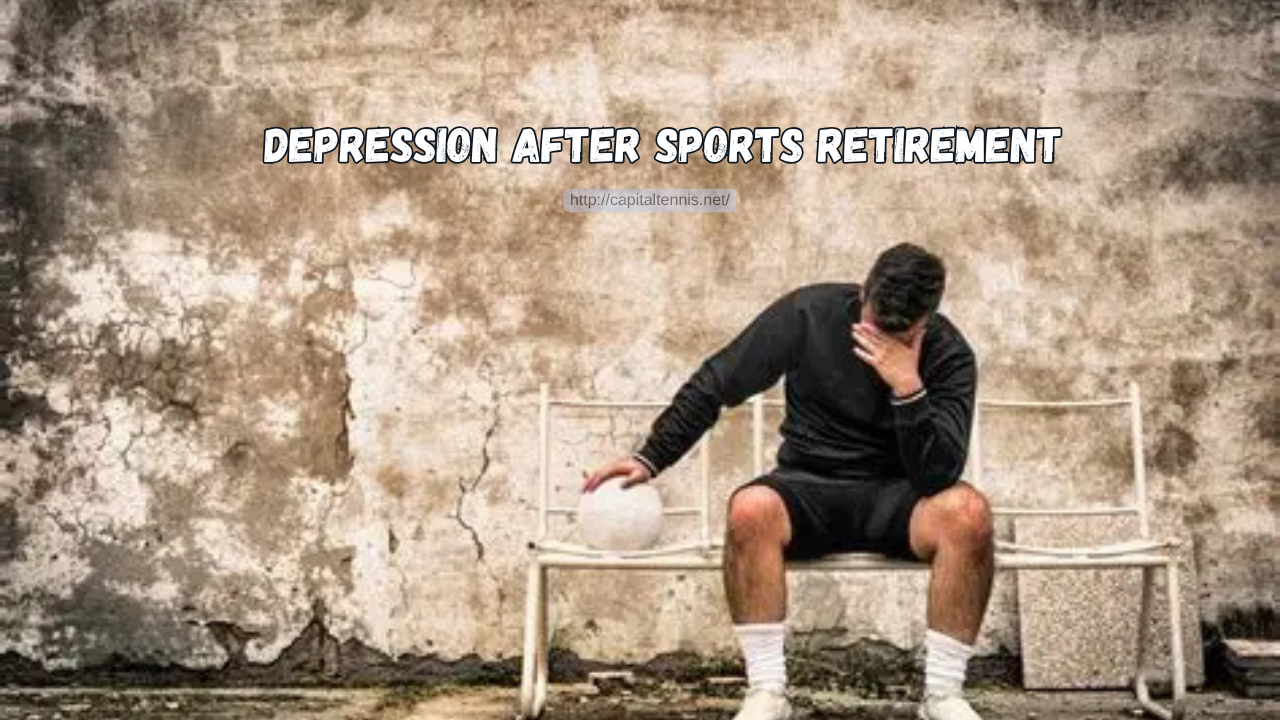
Ending a Career, Not a Life: Professional Help for Depression After Sports Retirement

For many athletes, retirement from professional sports is not just the end of a career. It is the closing of a deeply personal chapter that has shaped their identity, purpose, and daily life. The applause fades, the routines disappear, and suddenly the structure that once provided stability is gone. This transition can leave athletes facing depression, anxiety, and feelings of emptiness. But while the end of a career can be painful, it is not the end of life. With the right professional help, emotional recovery and a renewed sense of meaning are possible.

Understanding Post-Retirement Depression

The Emotional Void After the Final Game

When an athlete retires, they often lose more than their title or role. They lose the sense of belonging, competition, and recognition that once fueled them. This loss can create a profound emotional void. Without a clear purpose or new direction, many former athletes experience symptoms of depression, such as sadness, irritability, insomnia, and loss of motivation.

Identity and Self-Worth Challenges

Athletic identity runs deep. Years of training and competition create a self-image centered around performance. When that is gone, self-worth can suffer. Many athletes struggle to answer questions like: Who am I without my sport? What do I do next? These uncertainties can lead to a mental health crisis if left unaddressed.

Professional Support for Emotional Recovery

At Capital Tennis, we believe recovery after sports retirement is about rebuilding life with purpose, balance, and self-compassion. Our professional team offers personalized mental health treatment, addiction recovery services, and holistic programs to help former athletes heal emotionally and rediscover their sense of self.

Mental Health Counseling

Therapy provides a safe space to process grief, adjust expectations, and explore new sources of fulfillment. Our counselors use evidence-based approaches like cognitive-behavioral therapy and mindfulness-based strategies to help clients manage depressive thoughts, regulate emotions, and develop positive coping skills.

Addiction and Substance Use Support

For some athletes, the stress of retirement or untreated depression can lead to substance use as a form of self-medication. Capital Tennis offers both inpatient and outpatient recovery programs designed to address the underlying emotional pain driving addiction. Through compassionate care and structured treatment, clients can achieve long-term recovery and mental wellness.

Holistic and Faith-Based Healing

We recognize that true recovery involves mind, body, and spirit. Our holistic therapies include physical wellness, mindfulness practices, and spiritual guidance for those who wish to include faith in their healing process. These methods empower clients to rebuild emotional strength and find renewed purpose beyond their athletic careers.

Building a New Life Beyond Sports

While the athletic chapter of life may close, new opportunities await. Many former athletes find purpose through mentoring, education, advocacy, or creative outlets. Counseling helps identify these new directions, encouraging growth and meaning outside of sports. The goal is not to replace the athlete identity but to expand it into something greater.

A New Beginning Starts with Support

Retiring from sports can trigger emotional pain, but it does not have to define the future. Depression after athletic retirement is treatable with the right guidance, therapy, and care. At Capital Tennis, our compassionate professionals specialize in helping athletes navigate this critical life transition through individualized, holistic support. If you or someone you know is struggling after retirement, reach out today. Healing is possible, and a meaningful life beyond sports is waiting.

1 2 3 4 7